 2 minute read
From Scene to Evidence: The Role of 3D Reality Capture in Modern Investigations
You Only Get One Chance to Capture a Scene
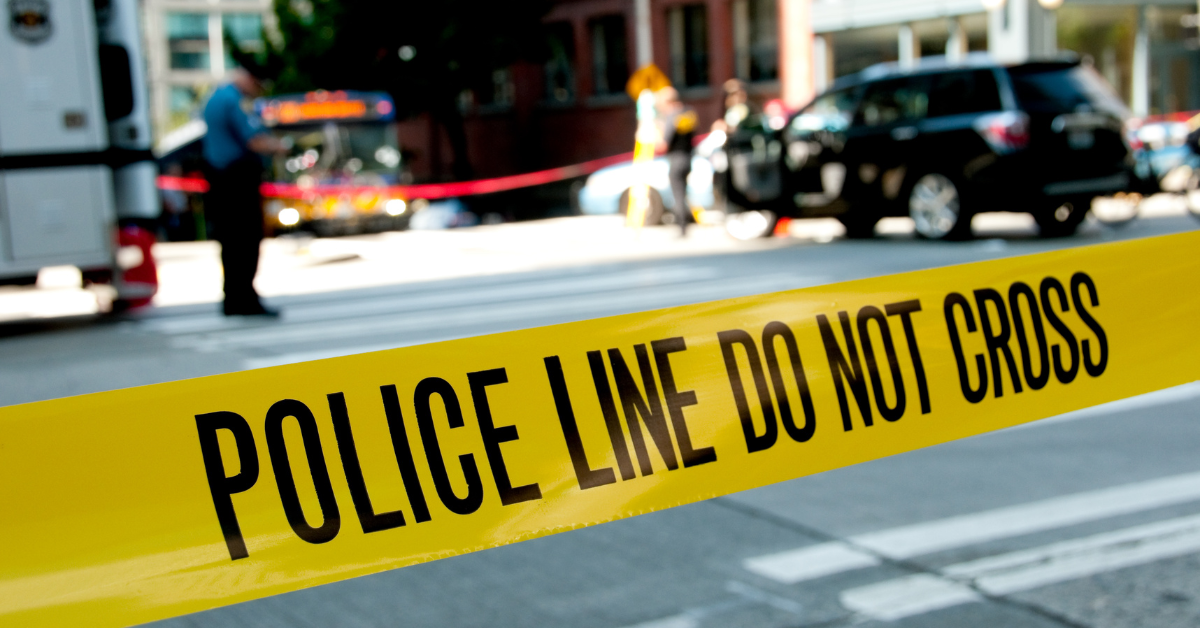
When investigators arrive at a scene, the clock is already running.
Emergency responders are active. Roads need to reopen. Weather conditions shift. Vehicles are moved. Debris is cleared. Within a short time, the environment investigators first encountered begins to disappear.
And once that moment is gone, it cannot be recreated.
For decades, scene documentation relied on photographs, sketches, and manual measurements. These methods remain essential - but they share a critical limitation: investigators must decide in real time what to capture and what might matter later.
In reality, the most important details often only reveal themselves during analysis.
Why Traditional Scene Documentation Falls Short in Investigations
A missing skid mark.
A vehicle position slightly altered during recovery.
A line of sight that was never photographed.
These are the details that often determine how events are interpreted.
Anyone who has worked an investigation knows that scenes rarely tell their full story immediately. What seems insignificant in the moment can later become central to reconstruction or legal proceedings.
Traditional methods force investigators to predict what information they will need later.
"That’s the real risk - not missing data, but believing you captured enough.
How 3D Reality Capture Preserves the Entire Scene
3D reality capture changes this fundamentally.
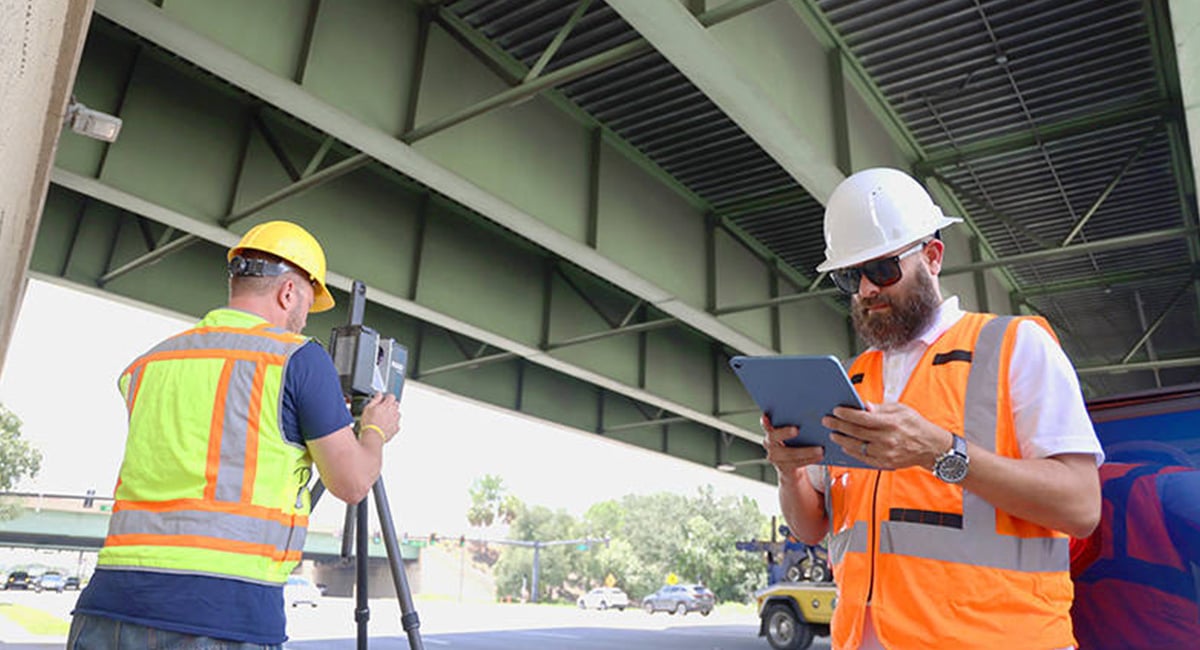
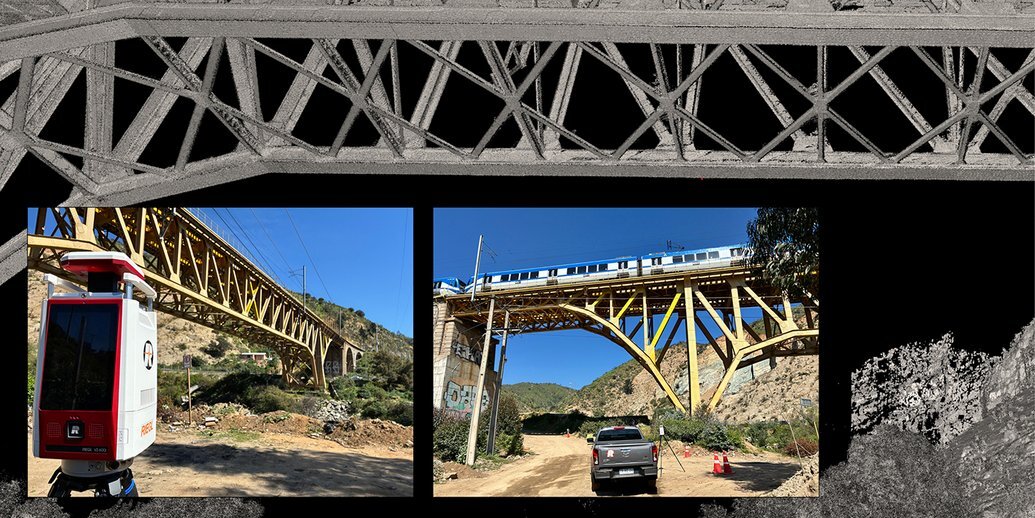
Using laser scanning technology, investigators can document the entire environment in a single dataset - capturing millions of spatial data points along with high-resolution visual imagery.
Instead of selectively measuring parts of a scene, teams create a complete digital record.
High-density point cloud data enables investigators to measure distances, angles, and spatial relationships between any objects in the scene - often down to millimetre-level accuracy. This data can then be revisited, analysed, and validated long after the physical site has changed.
The result is not just documentation - but a measurable, queryable reconstruction of reality.
Fast Scene Capture Without Compromising Accuracy
Time on scene is always limited.
Investigators must work quickly while maintaining evidentiary standards. Long documentation processes can delay operations or increase risk in active or hazardous environments.
Modern imaging laser scanners address this challenge by enabling rapid, structured data capture.
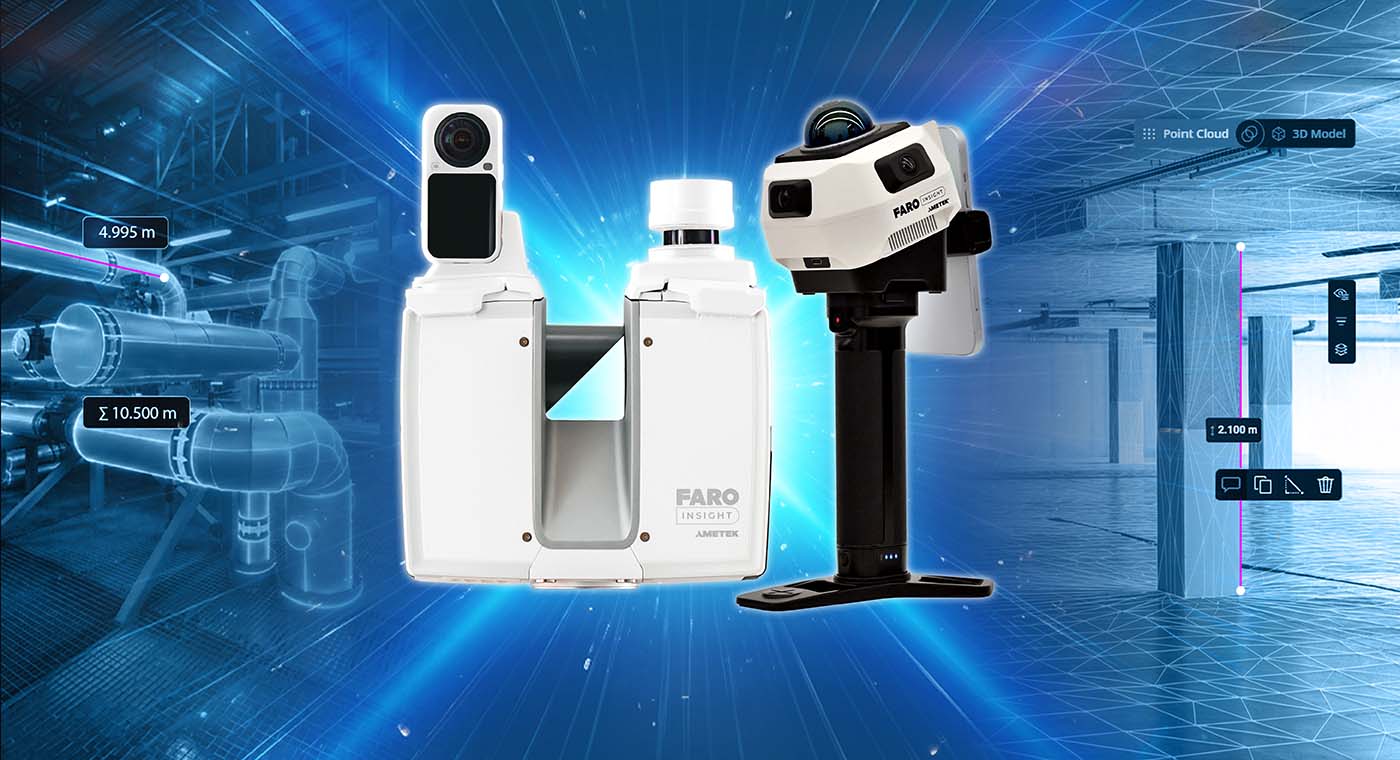
Solutions like the FARO Blink imaging laser scanner are designed for simplicity in the field. With guided workflows and minimal setup, investigators can capture accurate 3D data alongside 360° imagery in minutes. This is how Blink transforms scene documentation.
Automated pre-registration of scan data further reduces processing time, allowing teams to move from capture to analysis faster - without sacrificing data integrity.
This allows investigators to spend less time measuring, and more time understanding what the evidence is telling them.
Building Defensible Evidence for Long-Term Investigations
Capturing the scene is only the beginning.
The true value of reality capture lies in how the data supports analysis, reporting, and legal processes over time.
Digital scene records allow investigators to:
- Revisit environments virtually
- Verify measurements at any stage
- Analyse spatial relationships with precision
- Support findings with objective, measurable data
This becomes especially critical when cases move into legal proceedings months - or even years - later.
Instead of relying on memory or static photographs, investigators can present a complete, data-driven reconstruction of the scene.
A Smarter Approach to Capturing the Truth
Investigative teams are increasingly adopting 3D reality capture to improve how scenes are documented and analysed.
At Synergy, the focus is not just on providing technology, but on helping organisations implement practical, field-ready workflows that align with real investigative pressures - time constraints, safety, and evidentiary requirements.
Because when investigations depend on facts, how those facts are captured matters.
"And when every detail counts, capturing the scene completely - the first time - can make all the difference.
Explore What’s Possible with Reality Capture
If you're looking to improve how your team documents and analyses scenes, 3D reality capture offers a more complete and defensible approach.
Talk to the Synergy team to explore how these workflows can be applied to your investigative environment.

 3 minute read